
Bridging Academic Research and Location Planning – A Month Working from Japan
Every year James Todd spends a month in Japan combining data science at Geolytix with teaching, proving how academic research sharpens client work.
6th August 2026 • Our Team
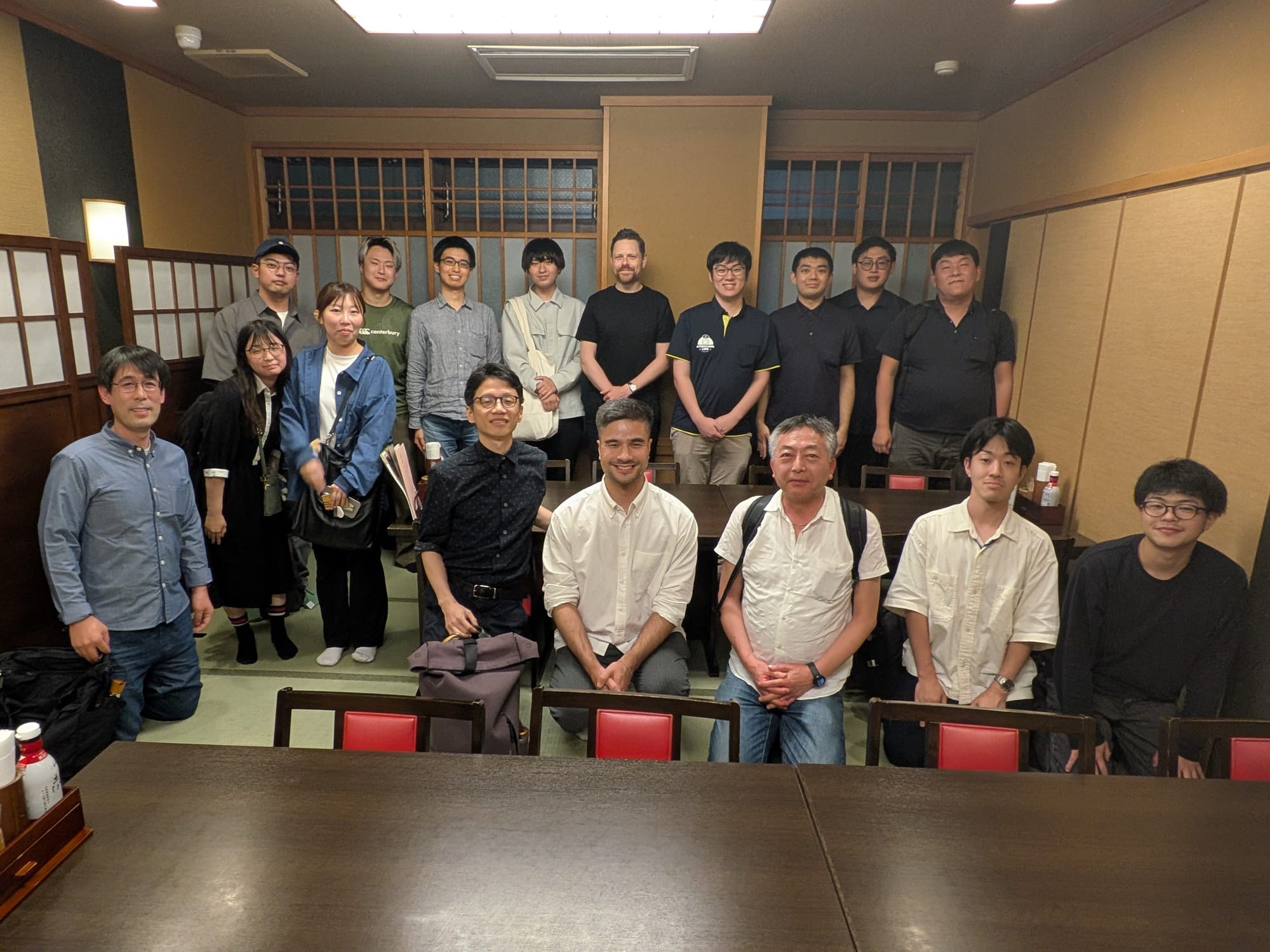
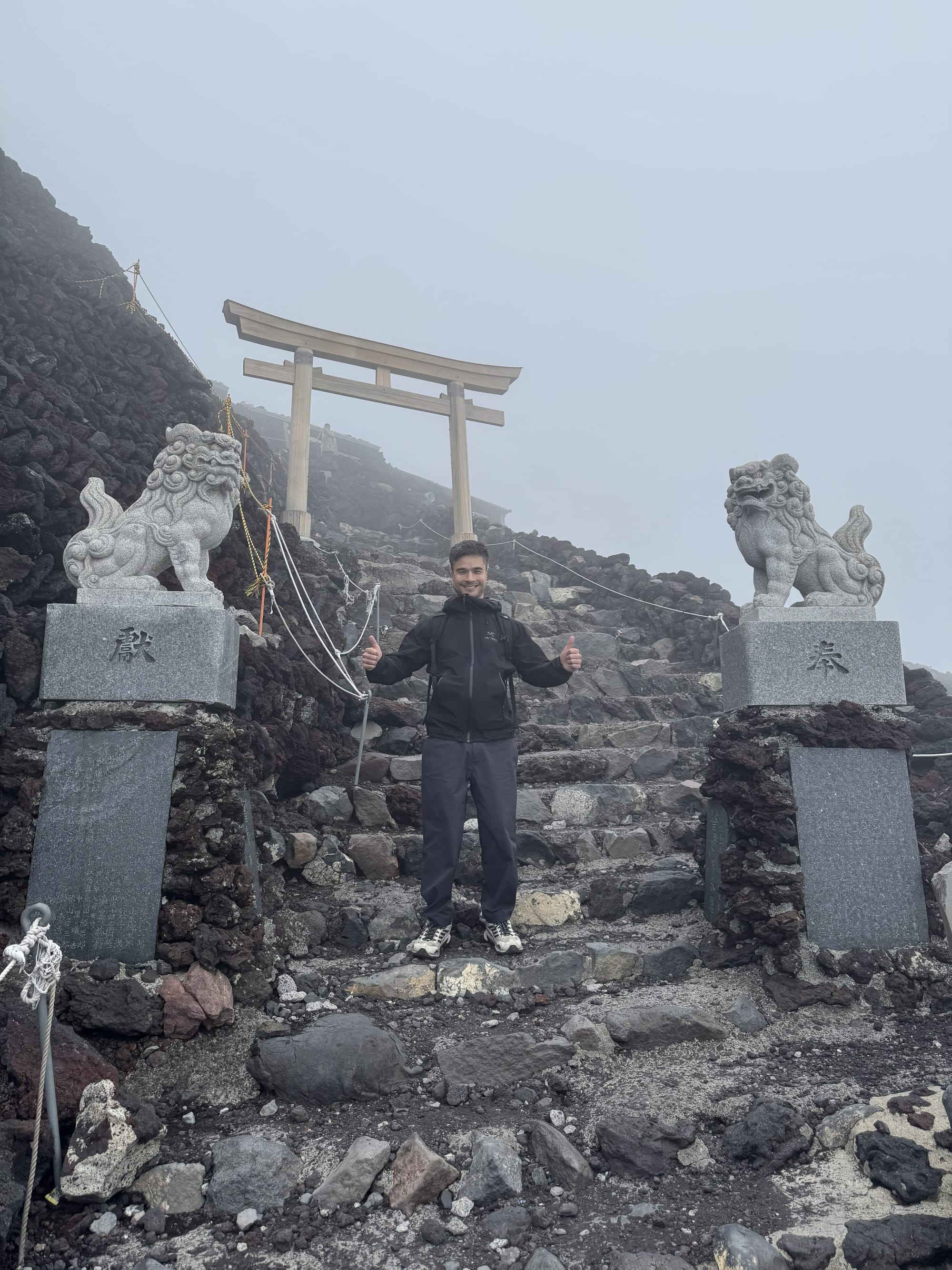
For the past three years, I’ve spent a month of the year working from Japan. It’s partly personal - giving me a chance to see family and this year squeeze in a day to climb Mt. Fuji - but it’s also become a part of how I work as a Data Scientist at Geolytix.
Before joining the team three years ago, I spent eight years at UCL, first as a student through my undergraduate degree and PhD, then as a lecturer and post-doctoral researcher. That’s where I grew to love academic research and teaching. It’s also where a chance meeting with a professor at a conference in Japan turned into a long-running collaboration. Every year since, I’ve gone back to continue it.
While I’m there, I teach GIScience to postgraduate students at Ritsumeikan University and run workshops built around the research my colleagues and I are working on. Our focus is large-scale GPS mobility data and most recently we have been exploring what it can tell us about the gap between how people are assumed to move and how they actually do.
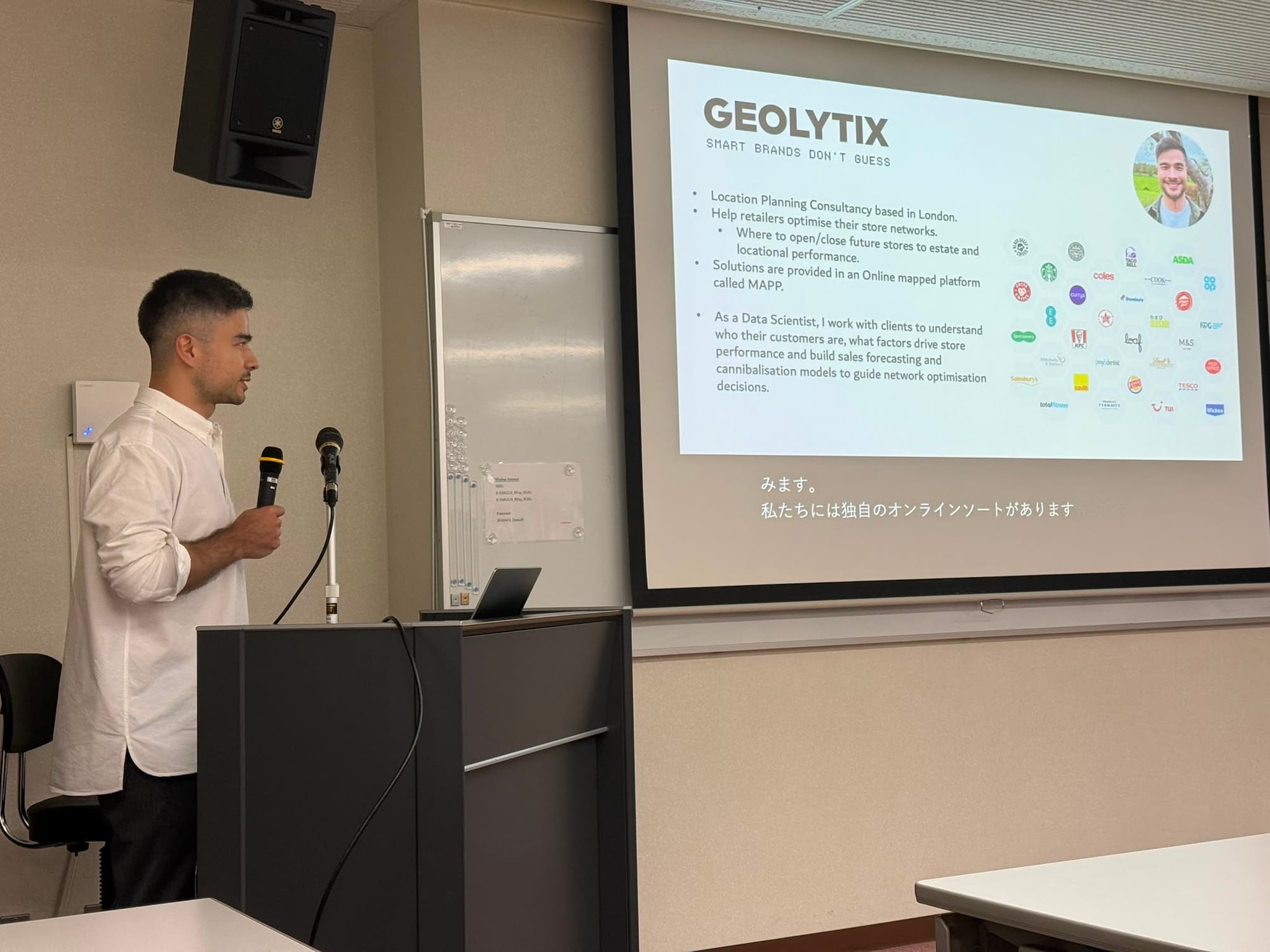
A lot of path routing logic lean on shortest path algorithms from space syntax, where we assume that people tend get from A to B along the most efficient route - whether that’s measured in time and distance or in cognitive effort like fewest turns. Our research aims to put this to the test, comparing those algorithmic routes against real paths walked by people derived from GPS pings. There’s a strong pull towards the efficient route but it’s far from absolute - we’ve found the effect varies with demographics, local familiarity and the surrounding environment. In other words, these models hold up broadly but need real nuance and thought in how they’re applied. We were able to share at the Space Syntax Symposium in Malaysia earlier this year, with a full write-up now in the works.
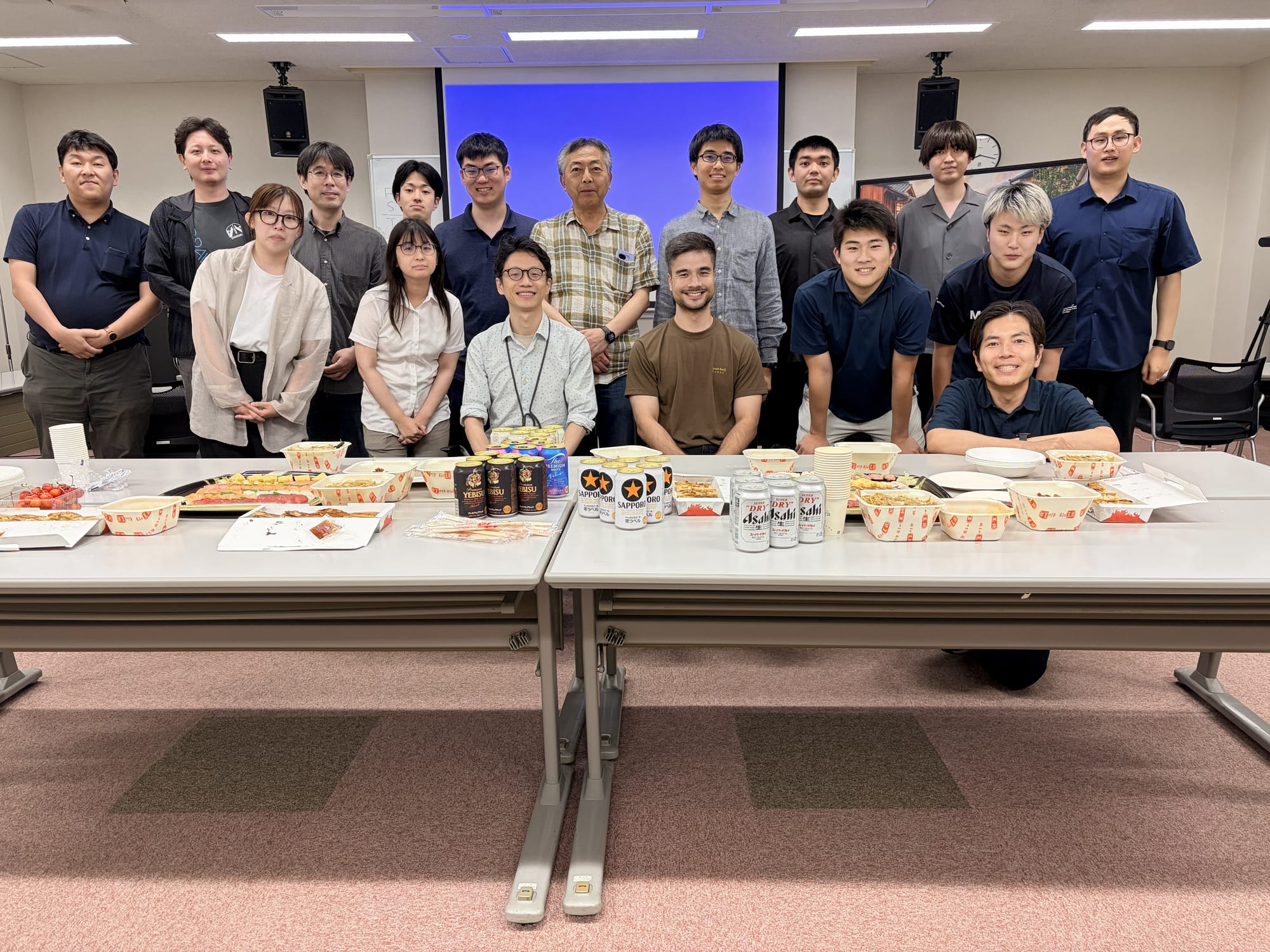
This work feeds straight into the teaching and the part I enjoy the most is the final assessment where students run a mini research project of their own, utilising the mobility data to tackle a location-planning question. This year’s projects ranged widely - from the distribution of over tourism around Kyoto, to disaster preparedness and the optimal placement of emergency evacuation centres, to where to open retail and leisure amenities like theatres and ramen restaurants.
If that sounds familiar, it should. Deciding where to put a restaurant, understanding where crowds congregate, reading the seasonal effects of tourism and optimising the placement of services around demand is exactly the kind of work that we do at Geolytix.
Here, we leverage mobility data to measure a how busy a location is, define catchments and understand the interactions between places to shape location strategy for our clients. Understanding how people move through cities and where they gather feeds directly into our predictive models and it draws on the same spatial data I use in my research to test shortest-path assumptions. The two sides feed each other - the research keeps me close to the bleeding edge and keeps my thinking sharp whilst the day-to-day work grounds that research in problems people actually need solved.
This is exactly why I value my setup at Geolytix. Working remotely lets me spend a month teaching and researching in Japan without stepping away from my day job and it’s a good excuse to catch up with my colleague Luke, who heads up Geolytix’s APAC division out of Tokyo. It’s rare to find a place that actively supports keeping one foot in academia, let alone one where you can teach postgraduates in the morning, build predictive models for clients in the afternoon and enjoy fresh sushi in the evening.
Author: James Todd, Data Scientist at Geolytix

Related Posts
-

The Big Spend: Highlights from the Data Science Hackathon
Each year we host a Data Science Hackathon. Danny shares the theme for this years.
Published 16th April 2026 • Tags our-team
-
Employee Benefits at Geolytix
If working with an awesome team on interesting projects isn't quite enough, Geolytix employees benefit from lots of other perks too.
Published 5th January 2026 • Tags our-team, career
-

GEOLYTIX and the 30 Day Map Challenge 2025
Daily social mapping project happening every November: https://30daymapchallenge.com/. The fourth year we have joined this as a team, see all our maps here.
Published 10th December 2025 • Tags geodata, our-team